Flavor: Warming/Pungent/Peppery
Major Flavour Compound: Cineole
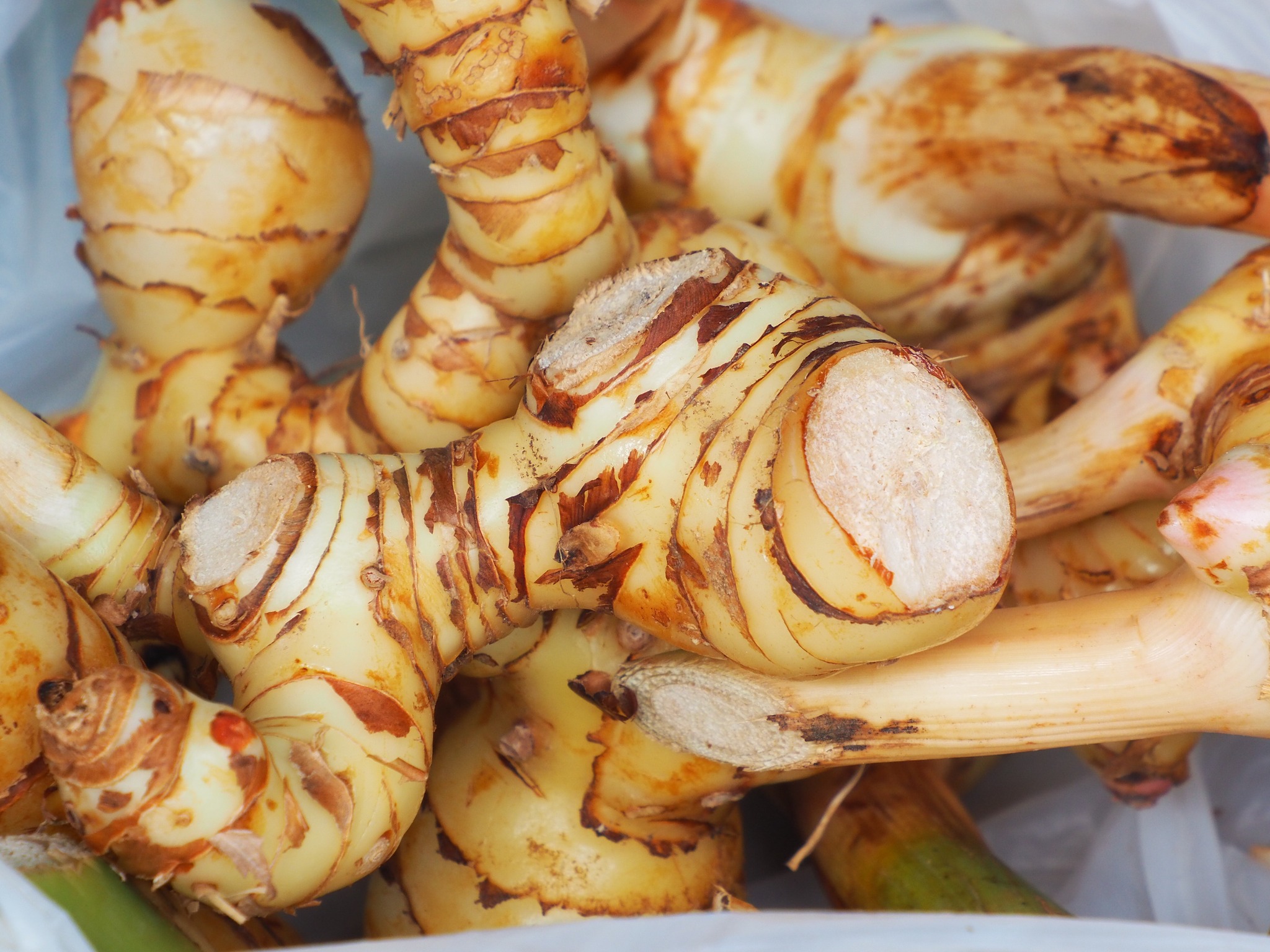
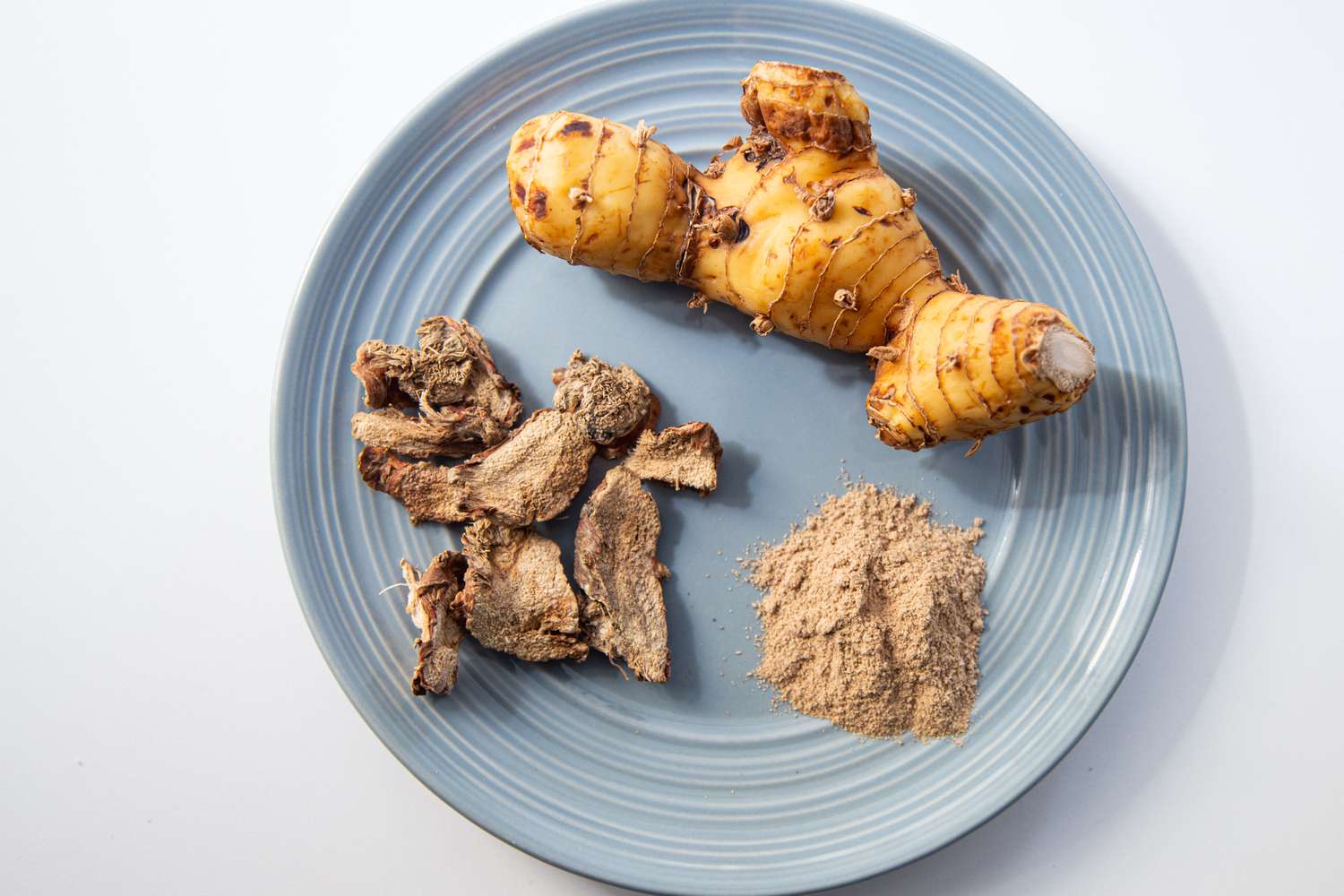
Parts Used: Rhizomes
Related species: In some areas of northeast Thailand, Alpinia siamensis, a smaller species with similar rhizome characteristics, is used interchangeably with A. galanga in local cooking and herbal applications. Alpinia officinarum (lesser galangal), native to China and also cultivated in the region, has a similar aromatic profile and comparable uses, although its flavor tends to be more intense and it is used less commonly in Thai cuisine.
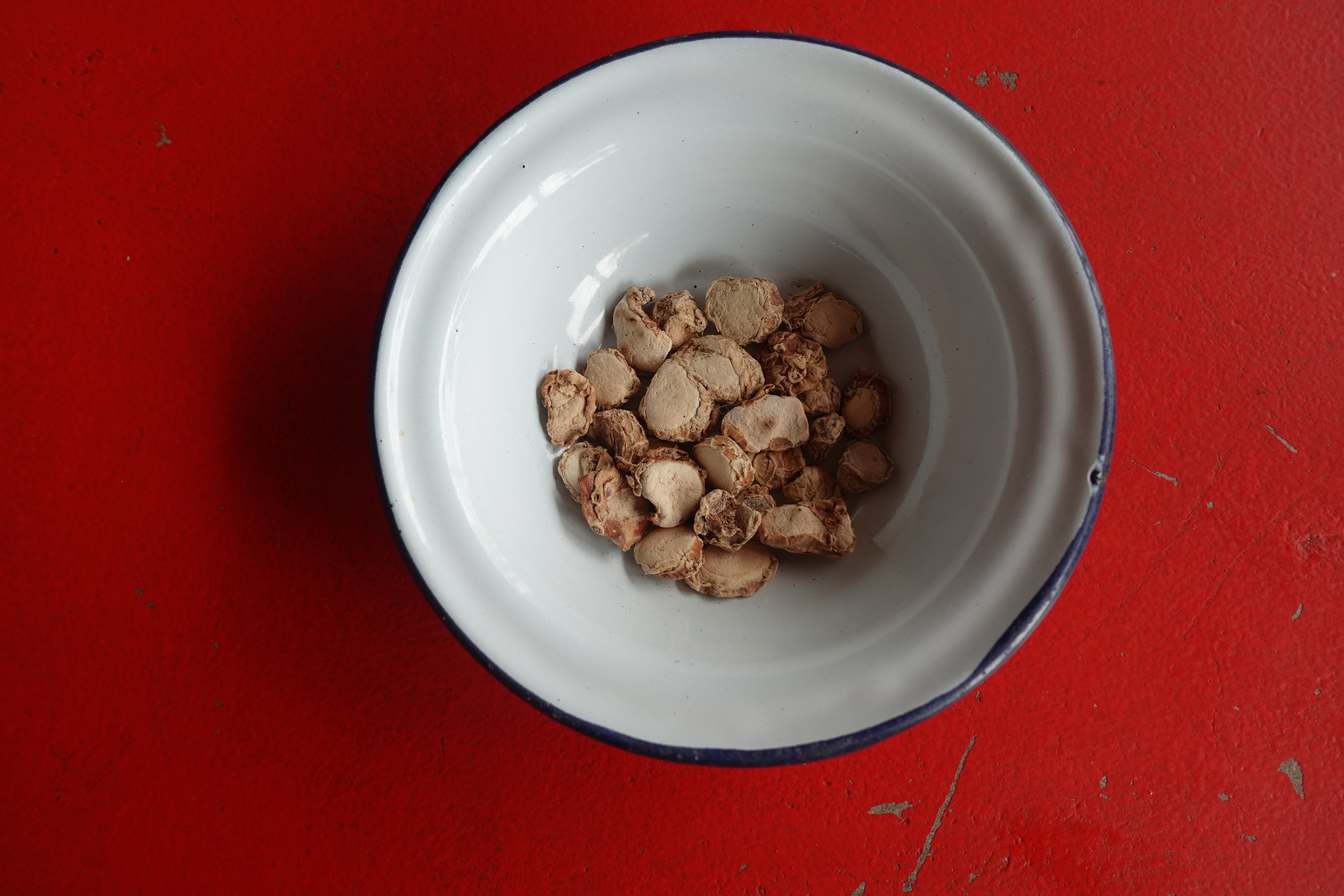
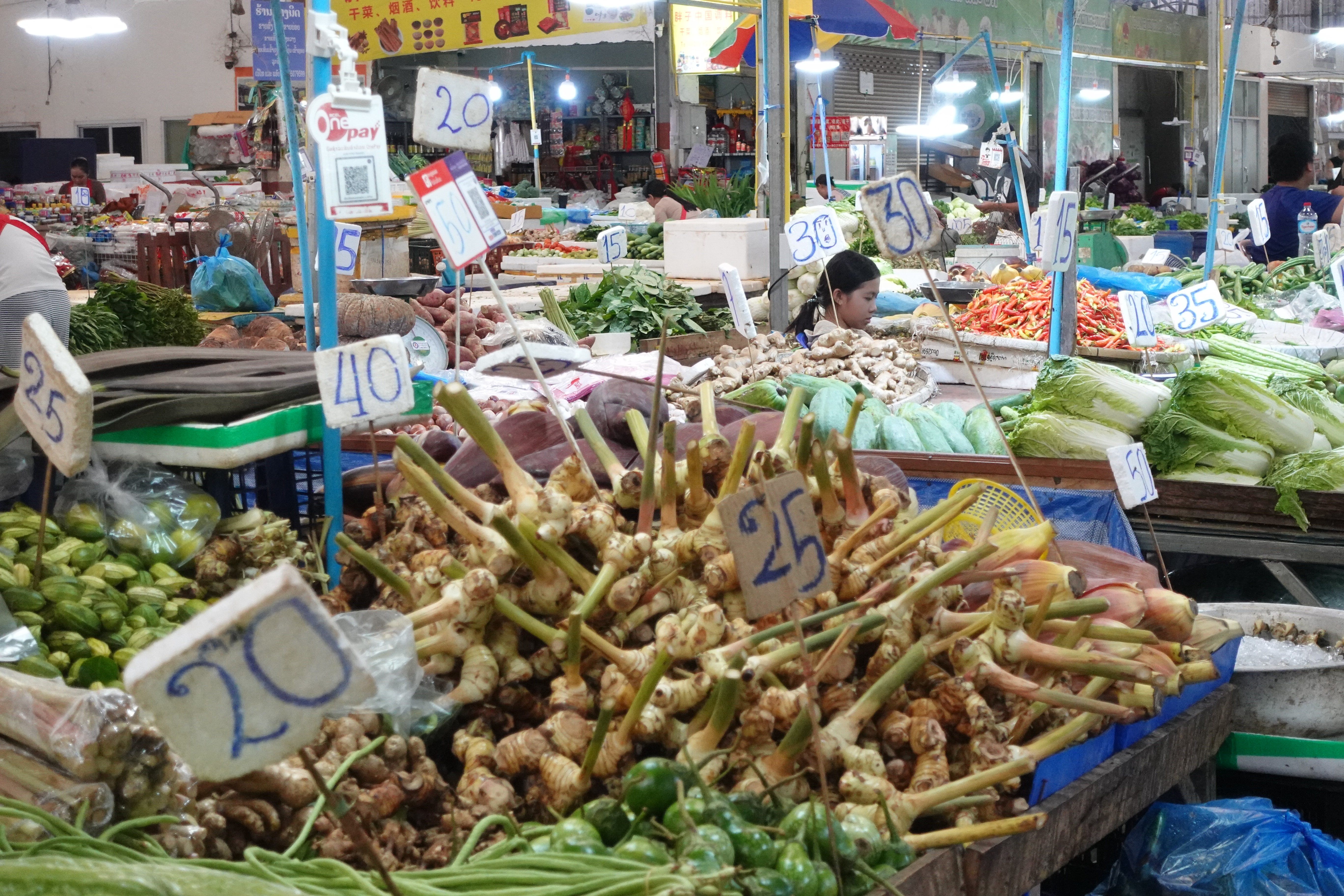
Galangal (Alpinia galanga) is a ginger-family rhizome native to Indonesia, widely used across Southeast Asia. Firmer and more fibrous than ginger, it has a sharp, cooling, and penetrating aroma dominated by cineole, with mustardy, citrus, and cardamom-like notes. Unlike ginger’s warmth, galangal produces a distinctive numbing coolness on the palate. Known in antiquity and prized in medieval Europe, it is now central to Thai, Lao, Cambodian, and Indonesian cuisines. Fresh galangal is preferred, typically pounded or grated into pastes, where it brightens rich coconut-based curries, soups, and slow-cooked meat dishes by cutting through heaviness with aromatic clarity.